Welcome! We are so excited to share INSERT NAME FOR PROJECT with you. This resource was created in collaboration with the Smithsonian Asian Pacific American Center CoCreate Initiative, and was made possible by generous support from the Panda CommUnity Fund. We are a team of Georgians passionate about sharing the state’s little-known Asian American history with K-12 learners and beyond!
We invite you to scroll through to discover key Asian American figures, communal spaces, and historical events, as well as consider the ways that Asian Americans have partnered in shaping Georgia’s social, economic and cultural identity.
A Growing Snapshot of Georgia's Asian American History
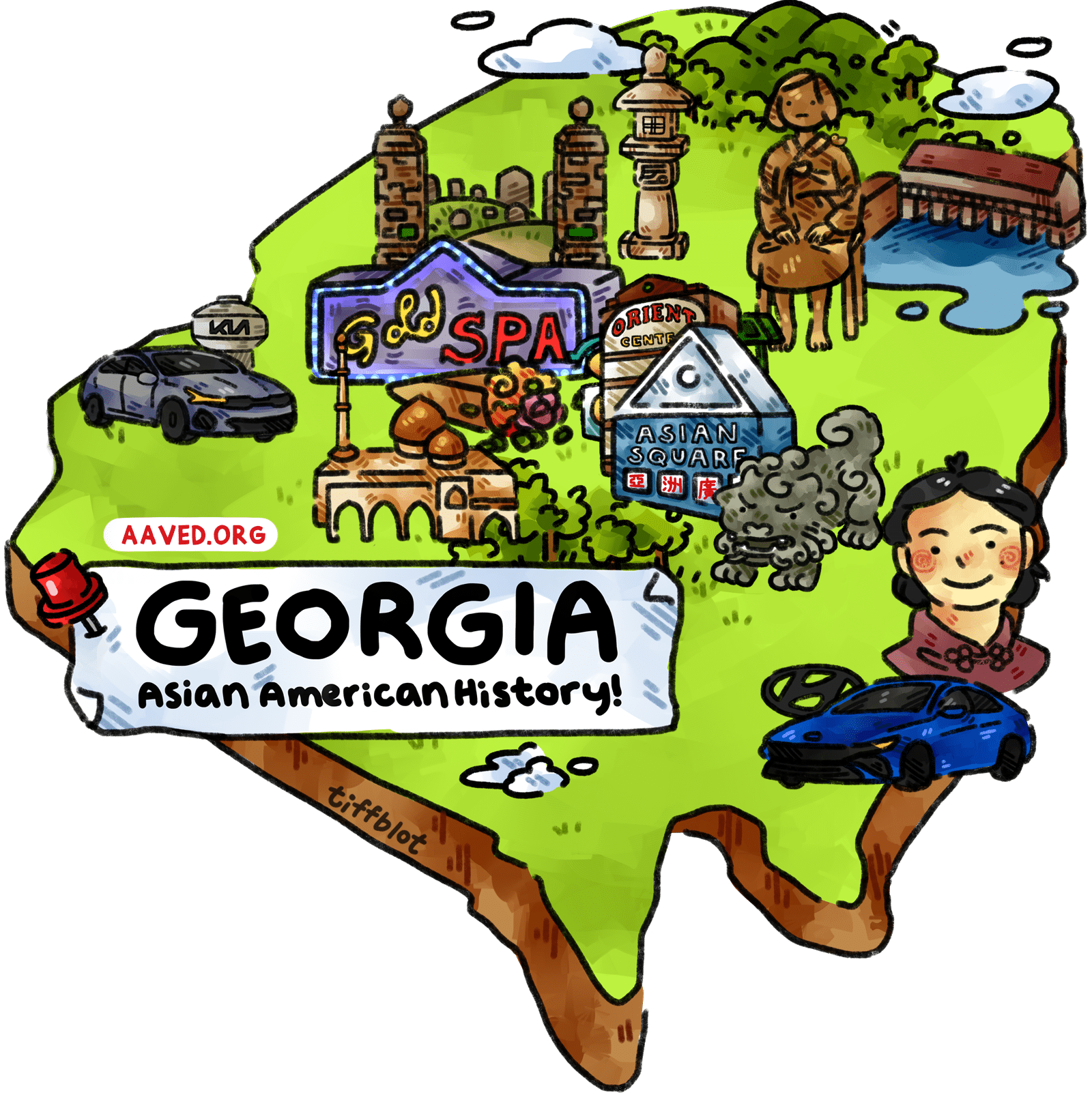
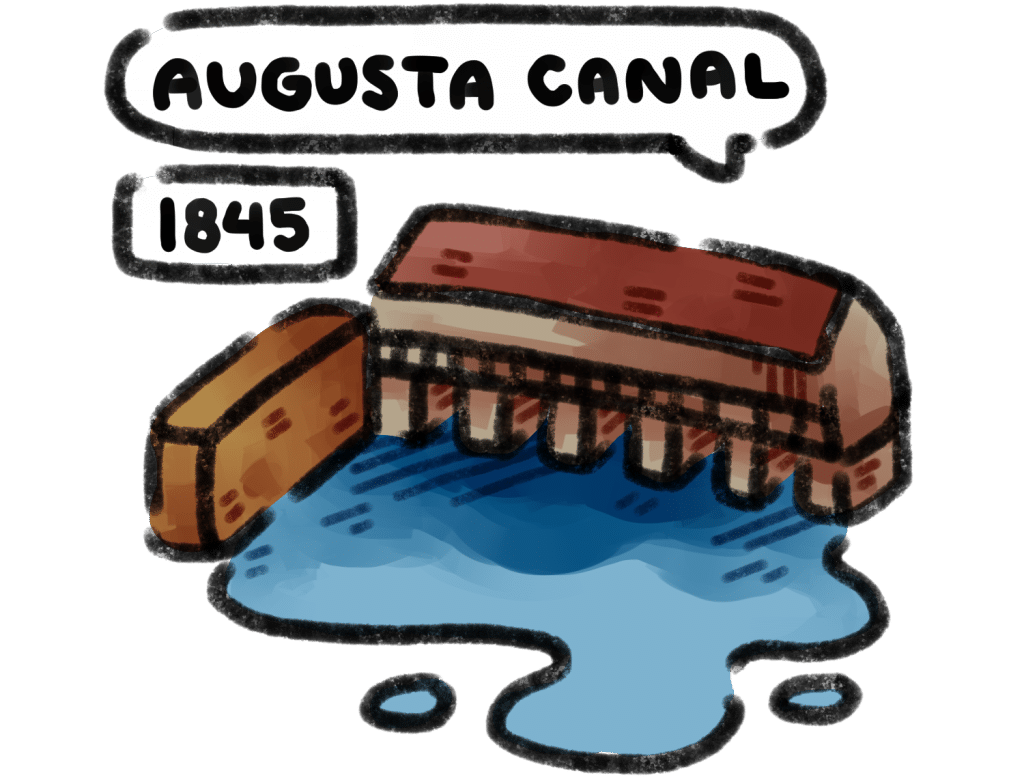
The first-known Asians in Georgia were Chinese laborers recruited to widen the Augusta Canal in the 1870’s. After the canal project was complete, a small group of the original 165 Chinese men remained, making a living in Augusta as owners of grocery stores and laundries.
The descendants of these laborers are still in Augusta today, continuing to gather for Chinese language lessons, community potlucks, and cultural activities at the Chinese Consolidated Benevolent Association building – the site of the first Asian American historical marker in Georgia.
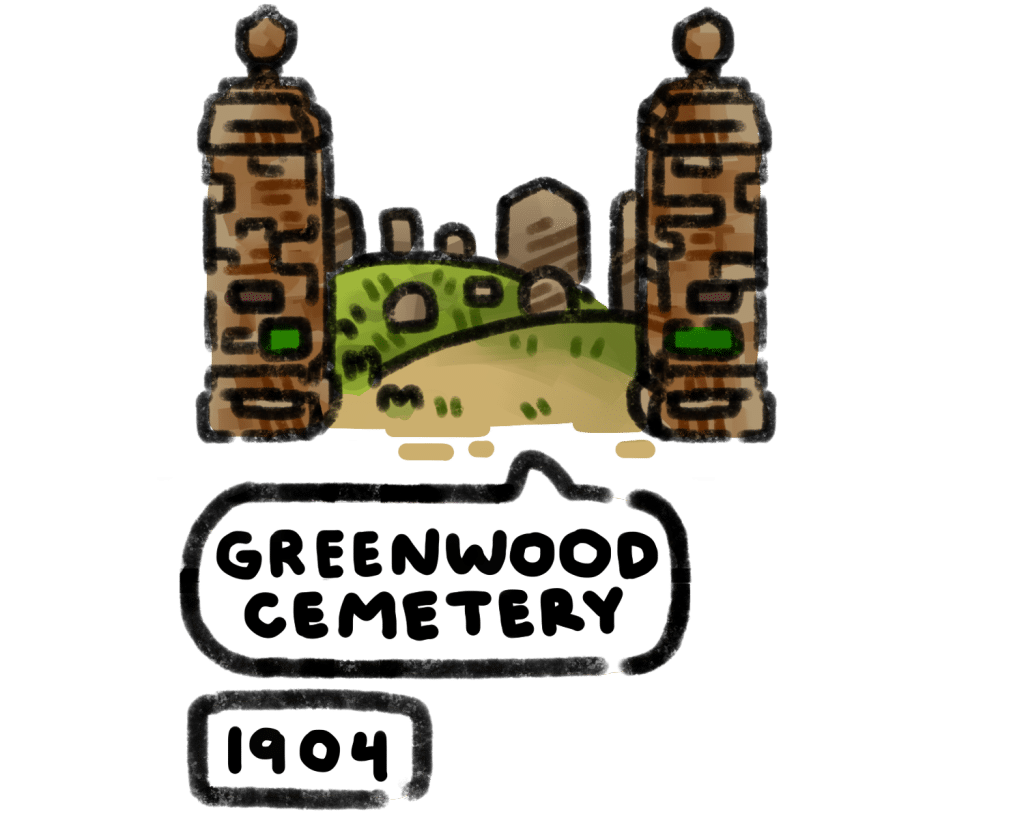
Greenwood Cemetery was established in 1904 by business partners, William Brown and James Mayson. Containing over 3000 burials, it initially served the Atlanta Jewish community. Between 1910-1911, a Chinese section and a Greek Orthodox section was created, separated by stone walls and iron fences.
This cemetery is a testament to the increasingly multicultural community in turn of the century Atlanta, as well as the reality of segregation between ethnic and religious groups. No African Americans were buried there until 1987, when C.R. Jones, Atlanta’s first Black councilman was laid to rest.
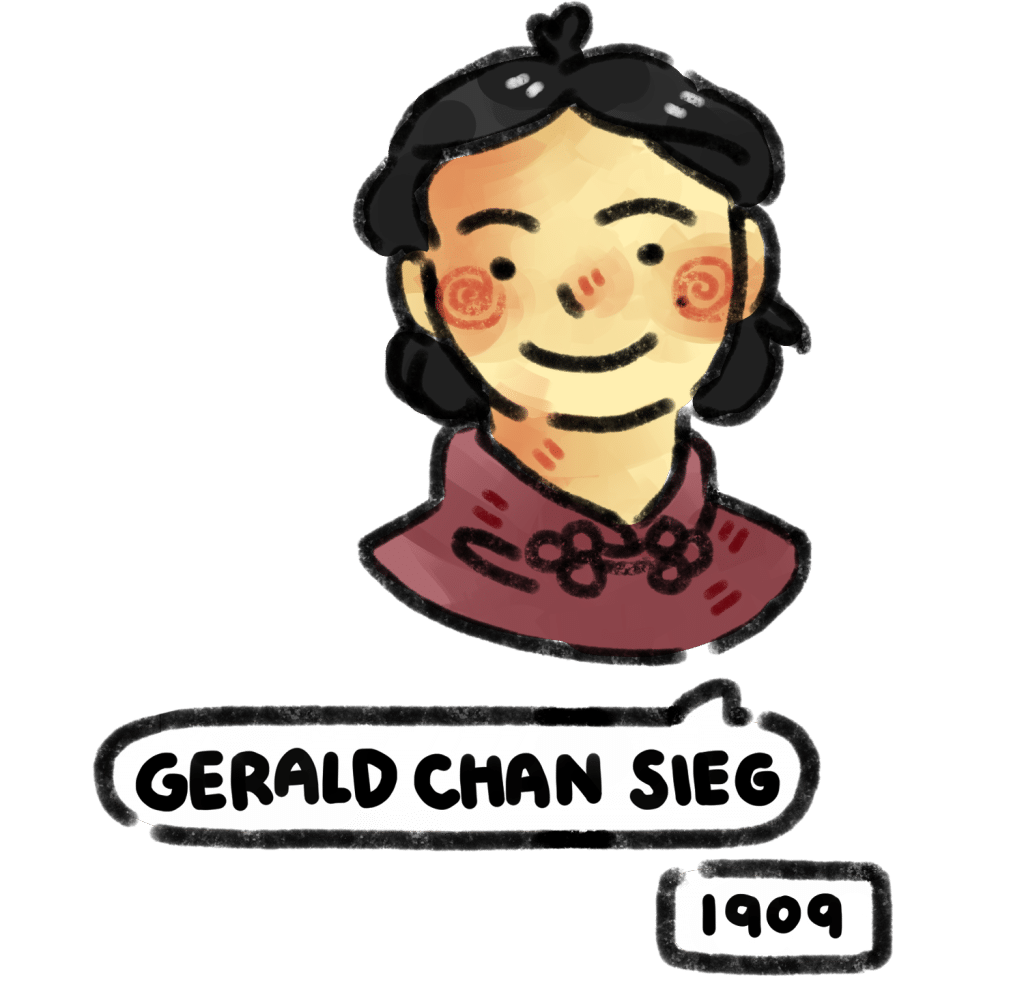
Gladys Geraldine (Gerald) Chan Sieg, (1909-2005), was Savannah’s first Chinese American poet, a community leader known for her wit, fashion sense and writing. Gerald’s father immigrated from China in 1889 to the United States. Gerald’s older siblings were the first Chinese children born in Georgia. Due to segregation, they could not attend the local white school and were homeschooled for several years. Later, because of anti-miscegenation laws, Gerald would have to cross state lines to marry her husband, Edward Sieg.
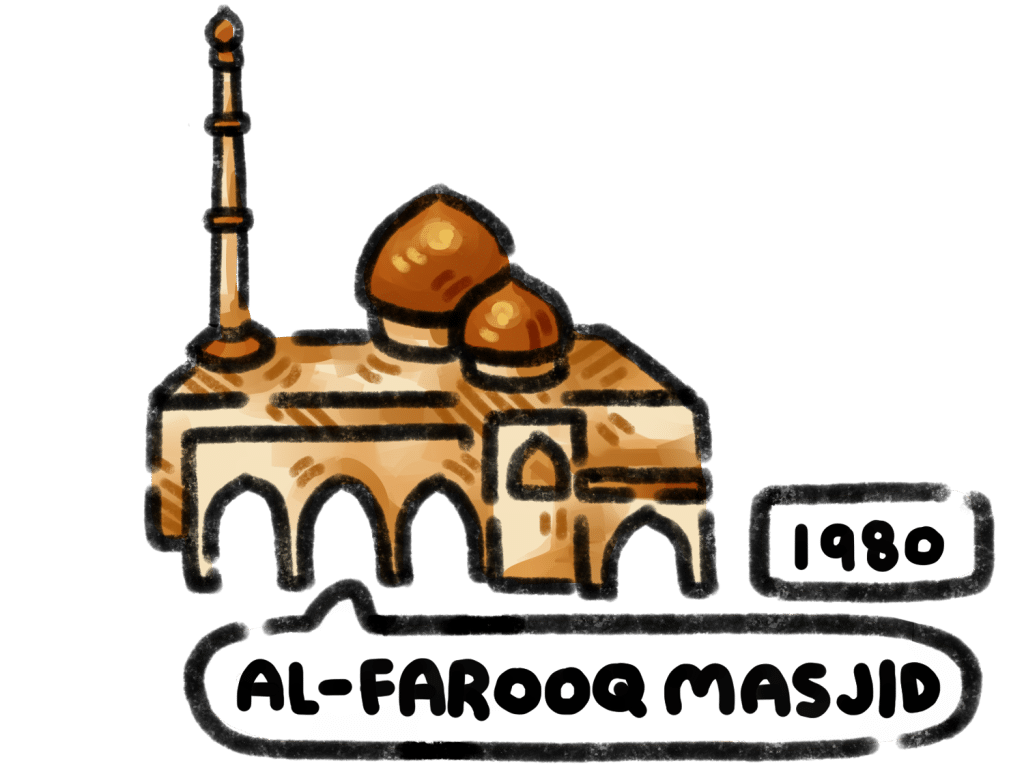
The Al-Farooq Masjidwas founded in 1980 to serve a growing population of South Asian, Arab, and American Muslims, including university students. The mosque is the first majority-immigrant mosque in the city, and one of the largest in the Southeast.
Due to its location in the heart of Atlanta near Georgia Tech and Georgia State University, many students in religious studies courses, local residents, and tourists attend regular tours of the mosque.
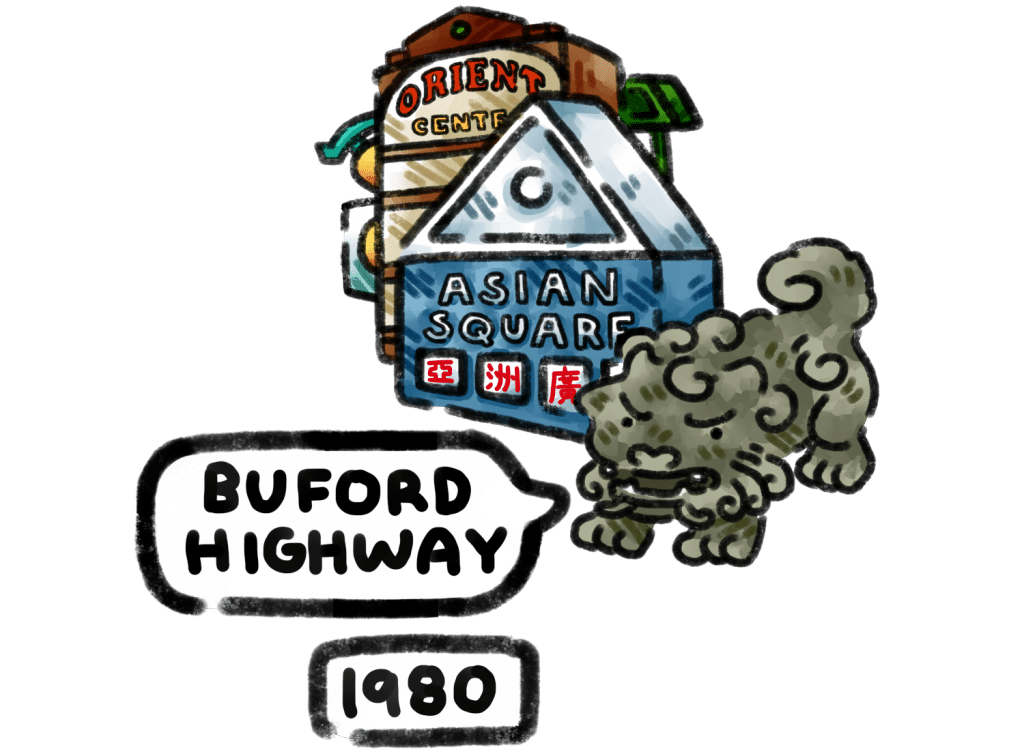
Buford Highway is a vibrant stretch of road outside Atlanta well known for Asian, Latin American, and African immigrant-owned restaurants and grocery stories. Though it was formally known around the 1980s as an international corridor, immigrant settlement began primarily in the 1960s due to political instability in Southeast Asian countries, China, and Korea.
The Buford Highway community continues to serve as a home away from home for new and old immigrant generations through language schools, ethnic houses of worship, nonprofits, and professional services in-language (legal, real estate, automotive, etc.).
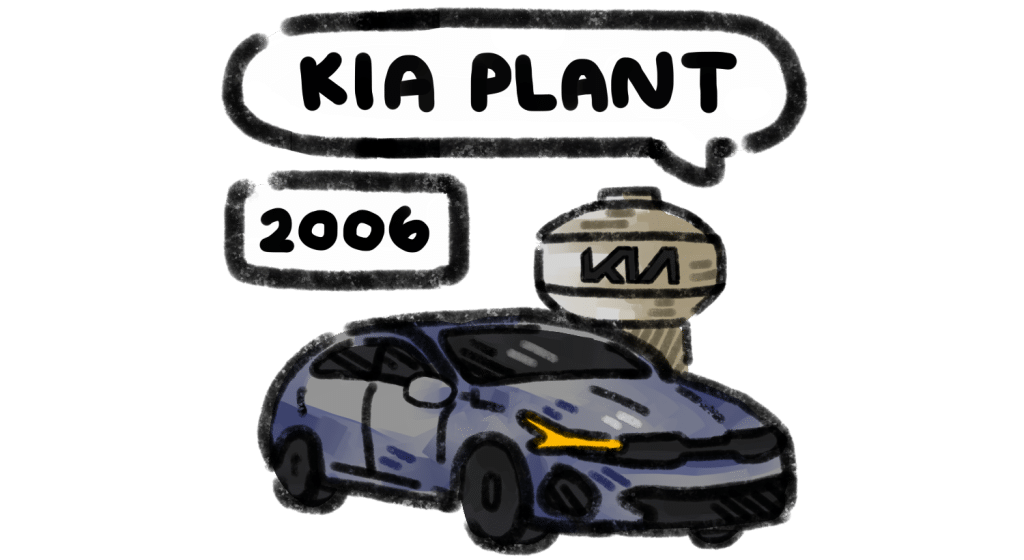
The Kia Plant in Troup County was established in 2006, directly and indirectly creating jobs for over 14,000 individuals in Georgia. Kia collaborated with West Georgia Technical College to establish a certification program to provide students with skills and industry-recognized credentials. This also led to an increased emphasis on STEM classes in local school curriculum.
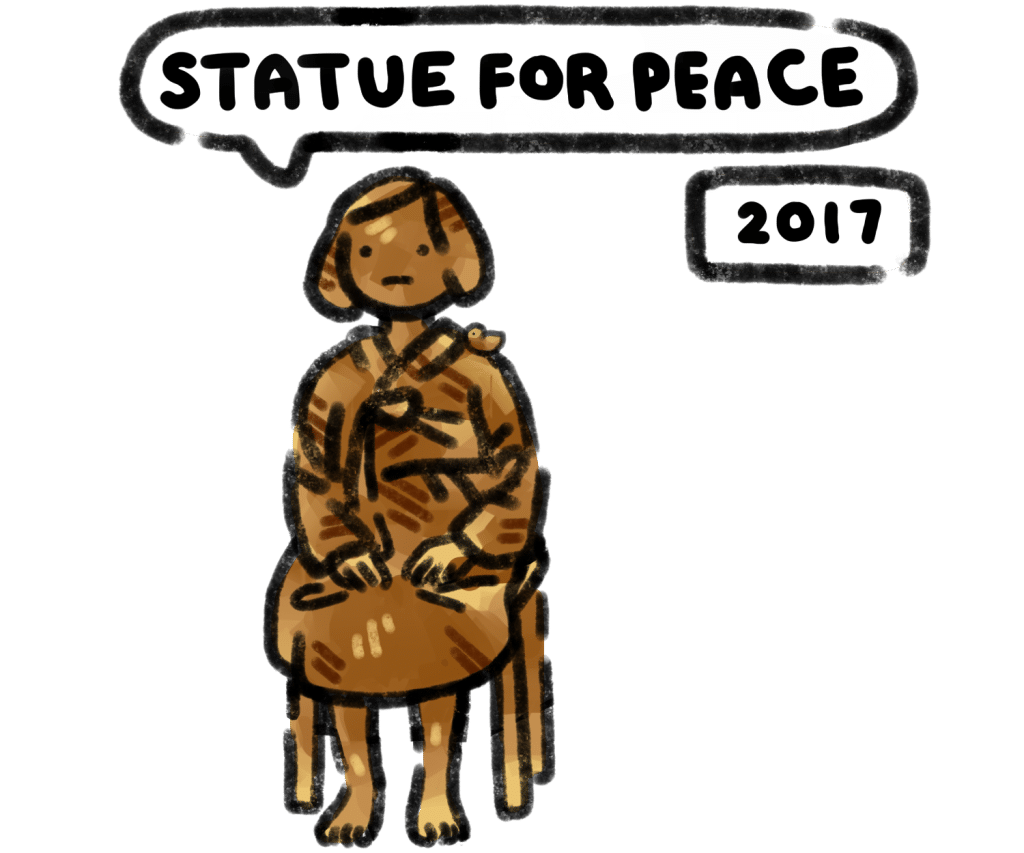
The Statue for Peace in Brookhaven, Georgia, was dedicated in 2017 to honor the memory of young girls and women from Korea, China, and the Philippines who endured gender-based violence during World War II. It was created through community efforts led by Asian Americans and their allies, in addition to support from city leaders. The statue stands for peace, resilience, and human rights. It invites people from all backgrounds to reflect on the painful history and work together for a better future.
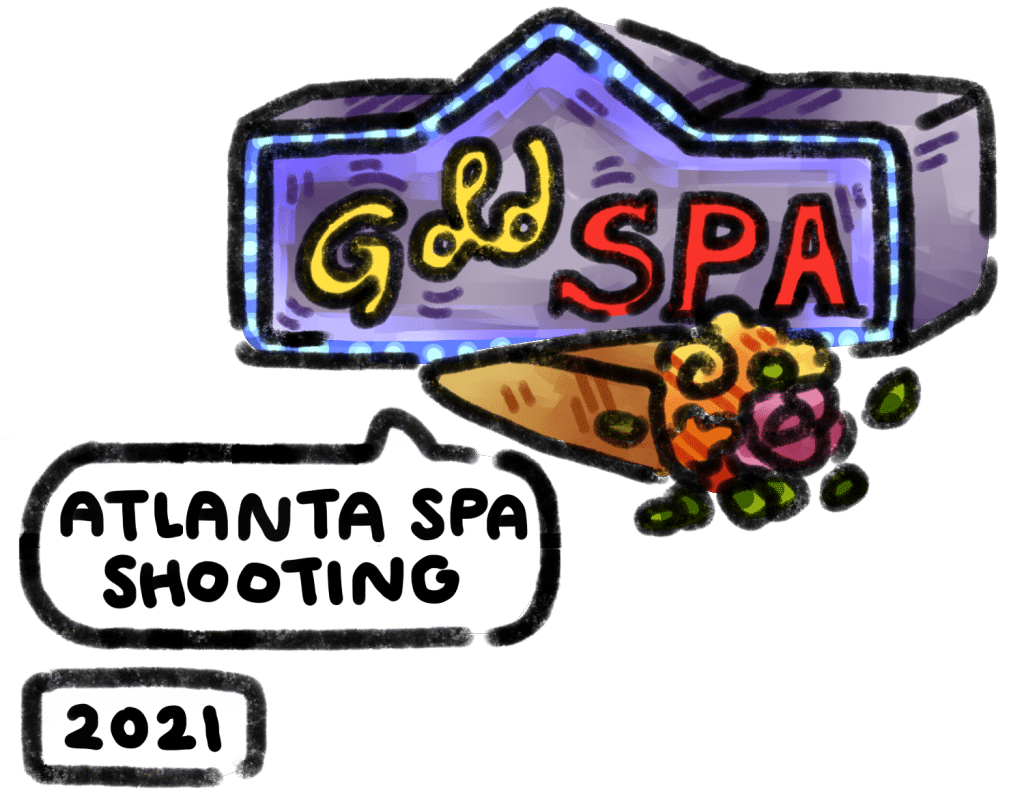
In early years of the COVID-19 pandemic, there was a rise in anti-Asian sentiment, rhetoric, and targeted race-based crimes. The Atlanta spa shootings that occurred on March 16, 2021 took the lives of 8 people, 6 of whom were Asian and Asian American women. This sparked a national call-to-action and brought Asian American communities together to fight against anti-Asian American racism.
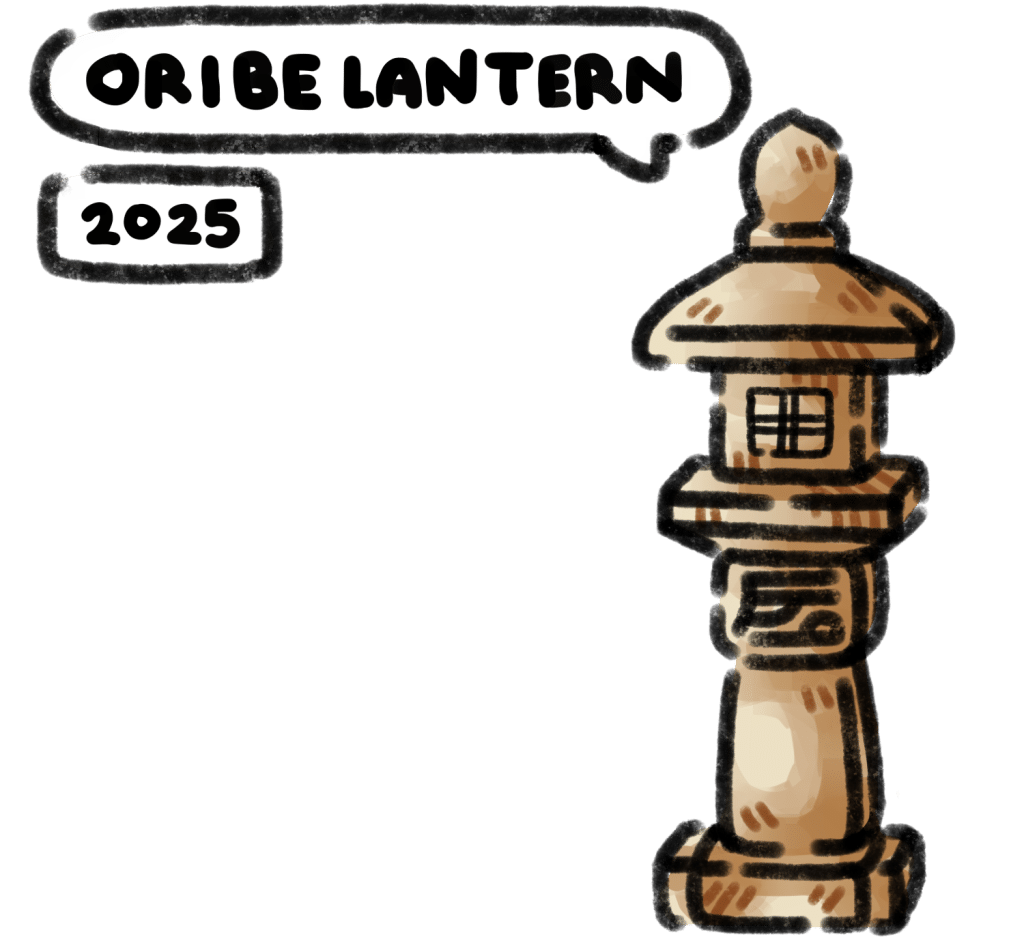
The Japanese Garden in the Atlanta Botanical Garden highlights the presence of the Japanese/Japanese American community in Georgia and represents the long history of cultural exchange between Japan and the United States. On August 21, 2025, a new Oribe lantern was gifted from Fukuoka, Atlanta’s Japanese sister city.
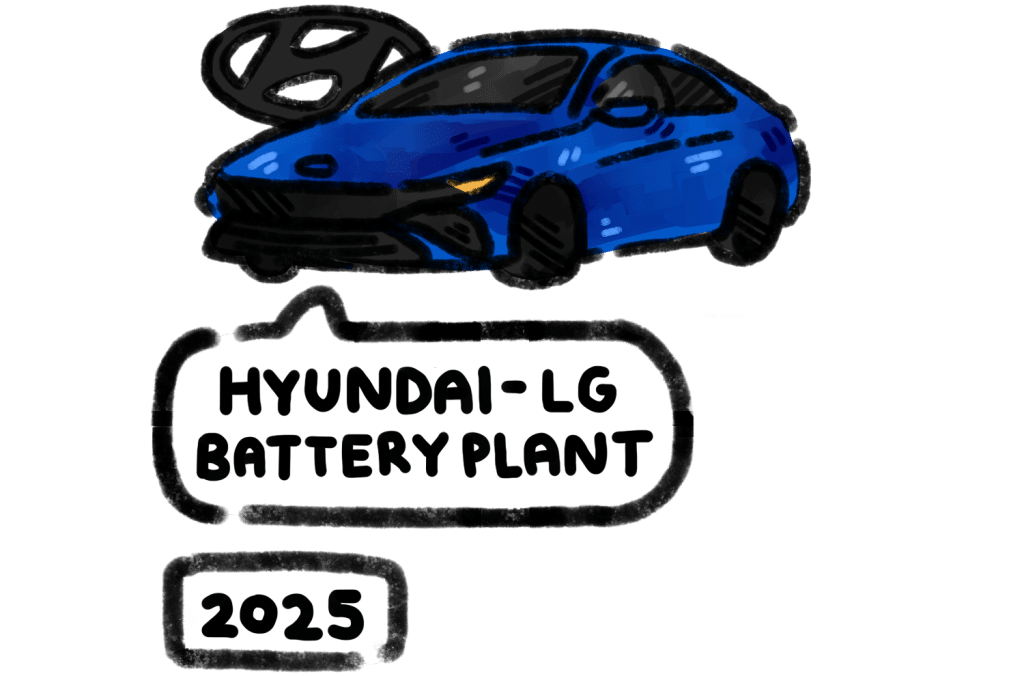
The Hyundai-LG Battery Plant in Savannah was projected to transform the rural economy by creating over 40,000 jobs across Georgia and advancing U.S. technology. The site was under construction as Korean contract workers were gearing up to train U.S. workers on specialized skills to produce electric and hybrid vehicles. On September 4, 2025, the U.S. Immigration and Customs Enforcement (ICE) executed the largest mass raid in U.S. history at the Hyundai-LG Battery Plant construction site in Savannah. 475 workers, 317 of whom were Korean nationals on Visas, were detained.
AAVEd Co-Founder, Education Policy & Programs at AAJC
This page was created in collaboration with Smithsonian Asian Pacific American Center CoCreate Initiative and Asian American Voices for Education (AAVEd). Made possible by generous support from the Panda CommUnity Fund.
Scroll to Top
Asif Jessani
Board Member
Asif Jessani is a professional volunteer. He currently serves as a board member for Artworks Gwinnett, Gwinnett County Parks Foundation, and Gwinnett County Public Library Foundation. He also serves as an advisory board member for the United Way of Greater Atlanta – Gwinnett and Atlanta Speech School. With a passion for early childhood education, he is also involved with Gwinnett County’s early learning initiative, Building Babies’ Brains. As part of the Ismaili Muslim Community, he has been a volunteer preschool teacher for the past 24 years.
Asif is also actively involved with the communications and outreach team for the Ismaili Muslim Community and previously led the marketing and media team for the United States Ismaili Games. When he isn’t volunteering, Asif takes on the responsibility of partner at CCS: Marketing & Technology, which provides chief marketing and technology officer services and branded items for mission-driven organizations.